How to Analyze a Duplex for House Hacking (Step by Step)
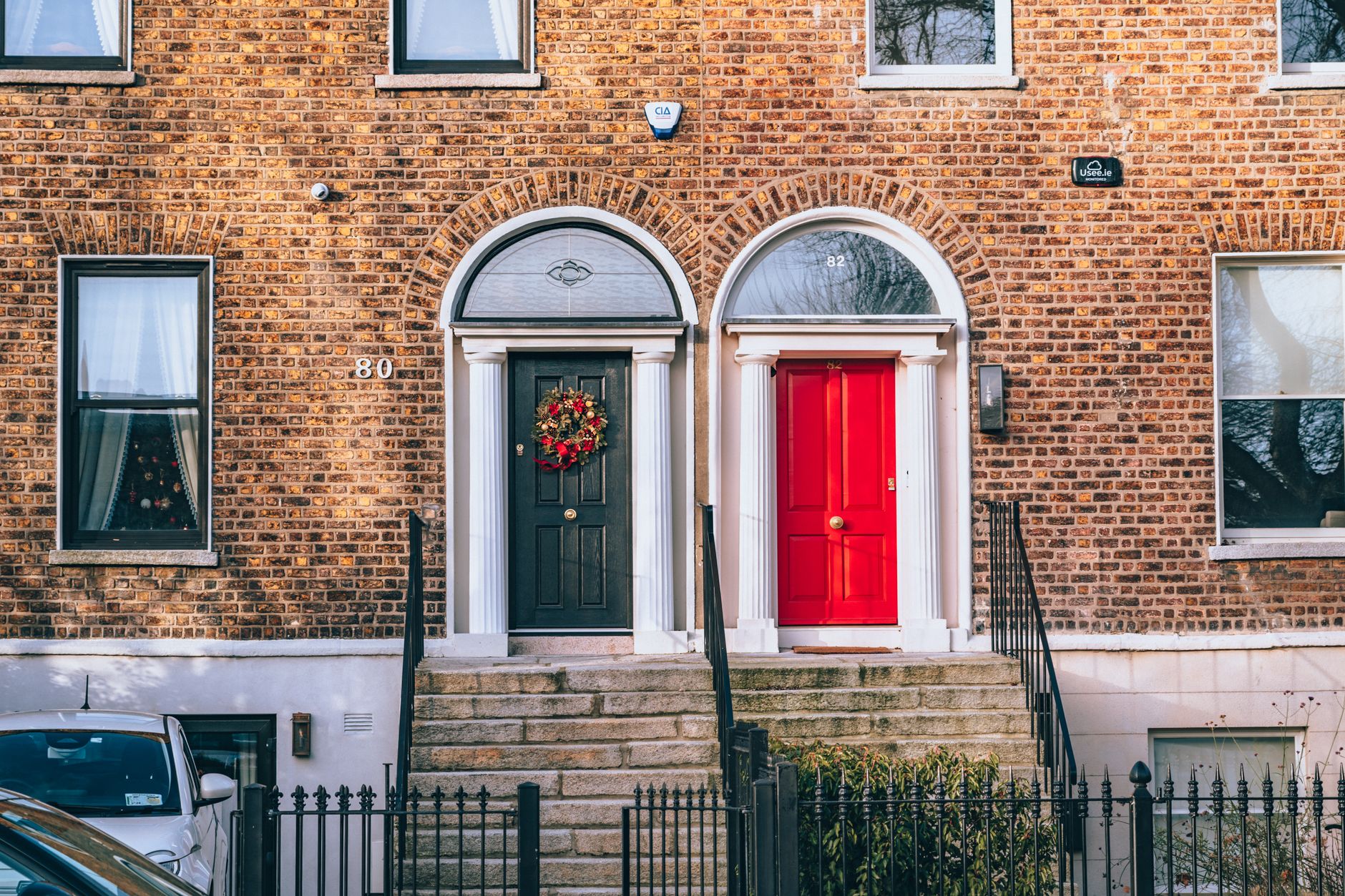
How to Analyze a Duplex for House Hacking
To analyze a duplex for house hacking, underwrite the property as if it were a pure rental, then subtract the rent from the unit you don't occupy from your own all-in housing cost. If the rent you collect covers most or all of your mortgage payment — and the numbers still work once you eventually move out and rent both sides — you have a deal worth pursuing.
That second half matters more than beginners realize. A duplex that only cash flows while you live cheaply in one half isn't an investment; it's a subsidized apartment. The goal is a property that performs as a standalone rental the day you leave.
Here's how a seasoned investor runs the math.
Step 1: Underwrite Both Units as Market Rentals
Start by ignoring the fact that you'll live there. Pretend both units are rented to tenants at market rent. This tells you whether the asset is fundamentally sound.
Say you're looking at a duplex priced at $340,000 where each side rents for $1,450/month — $2,900 in gross monthly rent, or $34,800 a year.
Build your operating expenses off that:
- Property taxes — pull the actual assessed rate for the parcel, not a state average.
- Insurance — landlord/dwelling policy, typically higher than owner-occupied.
- Vacancy — budget 5–8% depending on the local market.
- Repairs & maintenance — roughly 8–10% of rent on an older duplex.
- CapEx reserves — set aside for the big-ticket items; see how much to budget for CapEx reserves.
- Property management — include it at 8–10% even if you'll self-manage, so the deal survives when you hand it off.
If the property still produces positive cash flow with all of those expenses modeled, you have a real rental. If it only works because you zeroed out management and reserves, you're fooling yourself.
Why the owner-occupied loan changes everything
House hacking's superpower is financing. Because you live in one unit, you can use owner-occupied loan products — FHA with as little as 3.5% down, or conventional with 5%. On a $340,000 duplex, 3.5% down is $11,900 instead of the $85,000 a 25%-down investor loan would demand.
That leverage is the entire point. For a deeper breakdown of the strategy, read the first-property house hacking playbook.
Step 2: Calculate Your Real Cost of Living
Now bring yourself into the equation. Figure your full PITI — principal, interest, taxes, and insurance — on the owner-occupied loan. If you understand how PITI shapes rental cash flow, this step is familiar.
Assume your PITI plus a monthly reserve comes to $2,350. You live in one unit and rent the other for $1,450.
- Total housing cost: $2,350/month
- Rent collected from the other unit: $1,450/month
- Your net out-of-pocket housing: $900/month
Compare that $900 to what you'd pay to rent a comparable apartment — often $1,400 to $1,800 in the same area. The spread is your monthly savings, and it's effectively tax-advantaged because it lowers a cost you'd pay regardless.
The real test: the "move-out" number
This is where disciplined investors separate good duplexes from traps. Run the numbers again as if both units are rented and you've moved on:
- Gross rent: $2,900/month
- Operating expenses + vacancy + reserves: roughly $1,000/month
- PITI: $2,350/month
That leaves you roughly negative $450/month once you leave — a red flag. The fix is to buy better: a lower price, a higher-rent submarket, or a value-add duplex where you can push rents after light renovation. A deal that cash flows after you move out is a keeper; one that bleeds is a liability you'll want to sell.
Step 3: Pressure-Test the Assumptions
Most house-hacking spreadsheets die on bad inputs. The three numbers people guess wrong:
- Rent. Don't trust the listing agent's pro forma. Pull real comparable rents for that exact unit type and size. See how to estimate rent for a single-family rental — the same discipline applies per unit.
- Property taxes after purchase. In many counties, taxes reset to your purchase price, not the seller's frozen assessment. That can swing your payment by hundreds. Read whether property taxes go up after you buy.
- Insurance and vacancy. Both run higher on a two-unit property than on a single-family home.
Garbage in, garbage out. Verifying these against live market data is exactly where modern analysis tools earn their keep — platforms like PropertyWiz AI pre-populate market rent, taxes, insurance, and vacancy from verified sources the moment you load a duplex, so you're stress-testing a real deal instead of your own optimistic guesses.
Pros, Cons, and Pitfalls
Pros
- Lowest-cost entry into investing — one down payment, two doors.
- Tenants help pay your mortgage from day one.
- You learn landlording while living on-site, where problems are easy to spot.
- When you move out, you own a seasoned, cash-flowing rental.
Cons and risks
- You share a wall with your tenant — screening matters even more.
- Owner-occupied loans require you to live there (typically at least 12 months); don't commit fraud by planning to leave early.
- A duplex that only works while you occupy it is a bad investment in disguise.
- Deferred maintenance on older two-unit buildings can wipe out thin margins fast.
Rules of thumb
- Target a property where collected rent covers at least 70–80% of your PITI while you live there.
- Insist the deal be cash-flow positive or near-breakeven once both units are rented.
- Keep three to six months of reserves per unit before closing.
The Bottom Line
Analyzing a duplex for house hacking is a two-part job: confirm it's a sound rental on its own, then measure how much it slashes your personal housing cost. Buy on the move-out number, not the live-in discount, and you'll end up with both cheap living today and a performing asset tomorrow.
Frequently asked questions
What down payment do you need to house hack a duplex?
With an owner-occupied FHA loan you can put as little as 3.5% down, or 5% with a conventional loan. That low entry cost is the main financing advantage of house hacking over a standard investment property loan.
Should a house-hacked duplex cash flow while you live there?
Ideally the rent from the other unit covers 70–80% or more of your mortgage payment while you occupy one side. More important is that it cash flows once you move out and rent both units.
How long do you have to live in a house-hacked duplex?
Owner-occupied loan programs typically require you to live in the property for at least 12 months. Planning to leave sooner can constitute occupancy fraud, so build your analysis around genuinely living there first.
Related articles
How to Buy a Rental Property: A First Deal Walkthrough
How to buy a rental property step by step: set your criteria, run the numbers, finance the deal, and close on cash-flowing real estate with confidence.
5 min readHow to Build a Rental Property Pro Forma (Line by Line)
Learn how to build a rental property pro forma line by line — from gross rent to projected returns — with real numbers, rules of thumb, and the mistakes that sink deals.
5 min readHow to Calculate Return on Equity on a Rental Property
Return on equity on a rental property equals your annual after-tax return divided by your current equity. Here's the formula, a worked example, and why it matters.
5 min readAnalyze your next deal in seconds
PropertyWiz AI pulls live data and runs Buy & Hold, BRRRR, and Fix & Flip numbers for you.
Get started free →