How to Estimate Rehab Costs on a Fix & Flip (Fast)
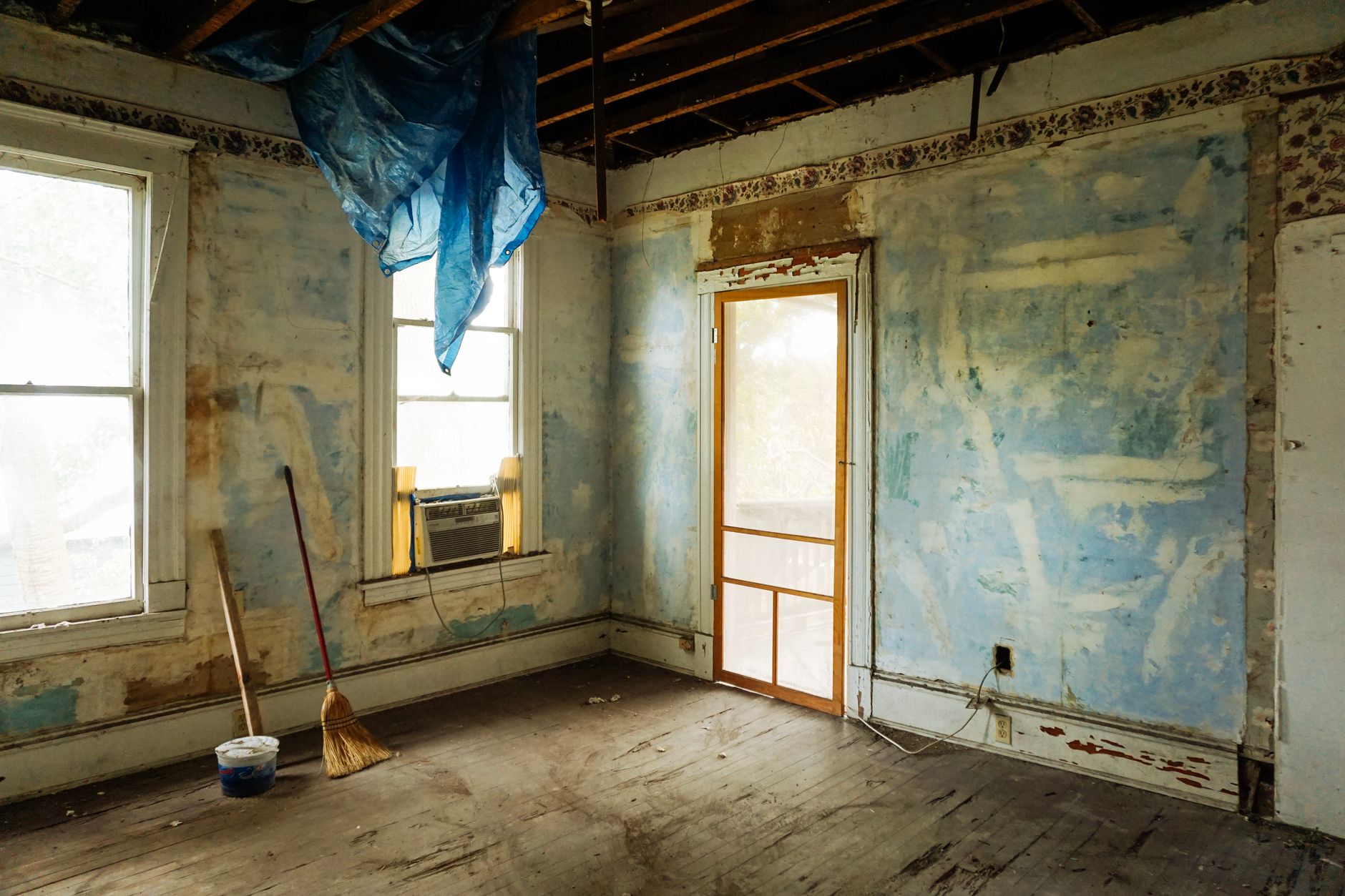
How to estimate rehab costs on a fix and flip
To estimate rehab costs on a fix and flip, build a scope of work room by room, price each line against local labor and material costs, then add a 10–15% contingency and a separate line for holding and soft costs. For a fast first pass, apply a price-per-square-foot tier — roughly $20–$40/sf for a cosmetic refresh, $40–$75/sf for a moderate rehab, and $75–$150+/sf for a gut — then tighten it with real bids before you close.
That two-speed approach is the key. You need a quick number to decide whether to keep looking at a deal, and a precise number before you commit capital. Skipping the second step is how flippers turn a projected $40,000 profit into a $5,000 loss.
Start with a price-per-square-foot gut check
Before you measure a single cabinet, size the project against comparable rehabs in your market. Pull the square footage and slot the property into one of three buckets:
- Cosmetic ($20–$40/sf): paint, flooring, fixtures, hardware, landscaping cleanup. The systems (roof, HVAC, electrical, plumbing) are sound.
- Moderate ($40–$75/sf): everything cosmetic plus a kitchen and bath remodel, some new windows, maybe one aging system replaced.
- Gut / heavy ($75–$150+/sf): studs-out work, new systems, layout changes, additions, or major structural repair.
On a 1,500 sf house, that means a cosmetic flip might run $30,000–$60,000 while a gut could run $110,000+. These tiers vary by region and finish level, so calibrate them to jobs you or your contractor have actually completed. Use the gut check to screen — not to underwrite.
Build a room-by-room scope of work
Once a deal survives the screen, walk the property and write a scope of work (SOW). This is the document that turns a guess into an estimate. Go space by space and list every item that needs to be touched.
The big-ticket systems come first
Systems blow budgets faster than finishes. On your walkthrough, get eyes on:
- Roof — age, layers, sagging, active leaks. A full tear-off and replace commonly runs $8,000–$15,000 on a typical single-family.
- HVAC — a new system often lands $6,000–$12,000.
- Electrical — a panel upgrade runs a few thousand; a full rewire on an old house can exceed $10,000.
- Plumbing — repiping a house (galvanized or failing supply lines) is a five-figure line you must catch early.
- Foundation and structure — the one category worth a specialist's opinion before you buy.
Underprice a system and no amount of tight kitchen budgeting saves the deal.
Then the finishes
Work through kitchens, baths, flooring, paint, doors, trim, and exterior. Attach a quantity and a unit cost to each:
- Interior paint: $2–$5/sf
- LVP flooring installed: $4–$8/sf
- Mid-grade kitchen: $12,000–$25,000
- Full bath remodel: $6,000–$12,000
- Interior doors: $150–$350 each installed
Quantities beat vibes. "New flooring throughout" is a guess; "1,200 sf of LVP at $6/sf = $7,200" is an estimate you can defend to a lender or a partner.
Don't forget the costs that aren't construction
The rehab budget is only part of the money leaving your account. Underwrite these separately so they don't hide inside a fuzzy contingency:
- Holding costs: loan interest, property taxes, insurance, utilities. On a hard-money loan, months of interest add up quickly the longer the project drags.
- Permits and fees: structural, electrical, and plumbing work usually requires them; budget accordingly and expect inspection timelines.
- Dumpsters and cleanup: often $1,500–$4,000 across a full rehab.
- Selling costs: commissions, concessions, and closing costs on the back end.
Your rehab number feeds directly into your maximum offer. If you underwrite with the 70% rule in house flipping, a rehab estimate that's off by $20,000 pushes your offer $20,000 in the wrong direction — and your ARV is doing the same work on the revenue side.
Add contingency — and mean it
Every honest rehab budget carries a contingency, because you will find something behind a wall. Rules of thumb:
- Cosmetic flip: 10%
- Moderate rehab: 12–15%
- Gut or older home: 15–20%
On a $60,000 rehab, a 15% contingency is $9,000. If you don't spend it, it becomes profit. If you skip it and the sewer line collapses, it becomes a margin call. Treat contingency as a required line item, not an optional buffer.
Common mistakes that wreck rehab estimates
Even experienced flippers get burned by the same handful of errors:
- Trusting a wholesaler's rehab number. Verify every figure yourself or with your own contractor.
- Estimating without opening anything. Cosmetic-looking houses hide expensive systems.
- Forgetting labor is local. The same kitchen costs very different amounts in different metros.
- Anchoring on the last deal. A rehab budget is property-specific, not a template.
- Ignoring the exit. Over-improving for the neighborhood buys finishes the comps won't reward — tie the scope back to a defensible ARV, and get ARV right on a flip.
Pressure-test the deal, not just the rehab
A rehab estimate is one input in a system. It only means something when it's sitting next to your purchase price, ARV, financing costs, and timeline — and when you can see how a $15,000 overrun changes your profit and your margin of safety.
This is where analyzing the deal with real, verified data matters. Instead of typing every assumption into a spreadsheet, tools like PropertyWiz AI pull live market value, comps, taxes, and insurance and stress-test the numbers in real time, so you can drop in your rehab scope and immediately see whether the flip still clears your target profit or whether your offer needs to come down.
Build the scope carefully, price it locally, protect it with contingency, and always run the full model. A rehab number is a decision tool — treat it like one.
Frequently asked questions
What is a good rehab cost per square foot for a flip?
A cosmetic refresh often runs $20–$40/sf, a moderate remodel $40–$75/sf, and a full gut $75–$150+/sf. Calibrate these tiers to your local labor costs and completed projects.
How much contingency should you add to a rehab budget?
Use about 10% for cosmetic work, 12–15% for moderate rehabs, and 15–20% for gut jobs or older homes. Treat it as a required line item, not an optional buffer.
Should holding costs be included in your rehab estimate?
Track holding costs like loan interest, taxes, insurance, and utilities separately from construction so they don't hide inside your contingency and distort your true all-in cost.
Related articles
How to Estimate Rehab Costs Before You Buy a Property
Learn how to estimate rehab costs before you buy a property using a room-by-room method, per-unit pricing, and a contingency that protects your margin.
5 min readWhat Is the 70% Rule in House Flipping? A Numbers Guide
The 70% rule in house flipping caps your max offer at 70% of ARV minus repairs. Here's how to use it, when to break it, and where it fails.
5 min readHow to Calculate Cash-on-Cash Return on a Rental
Learn how to calculate cash-on-cash return on a rental property with a step-by-step formula, a real numbers example, and the pitfalls that skew the math.
4 min readAnalyze your next deal in seconds
PropertyWiz AI pulls live data and runs Buy & Hold, BRRRR, and Fix & Flip numbers for you.
Get started free →