The BRRRR Method: How to Recycle Your Capital
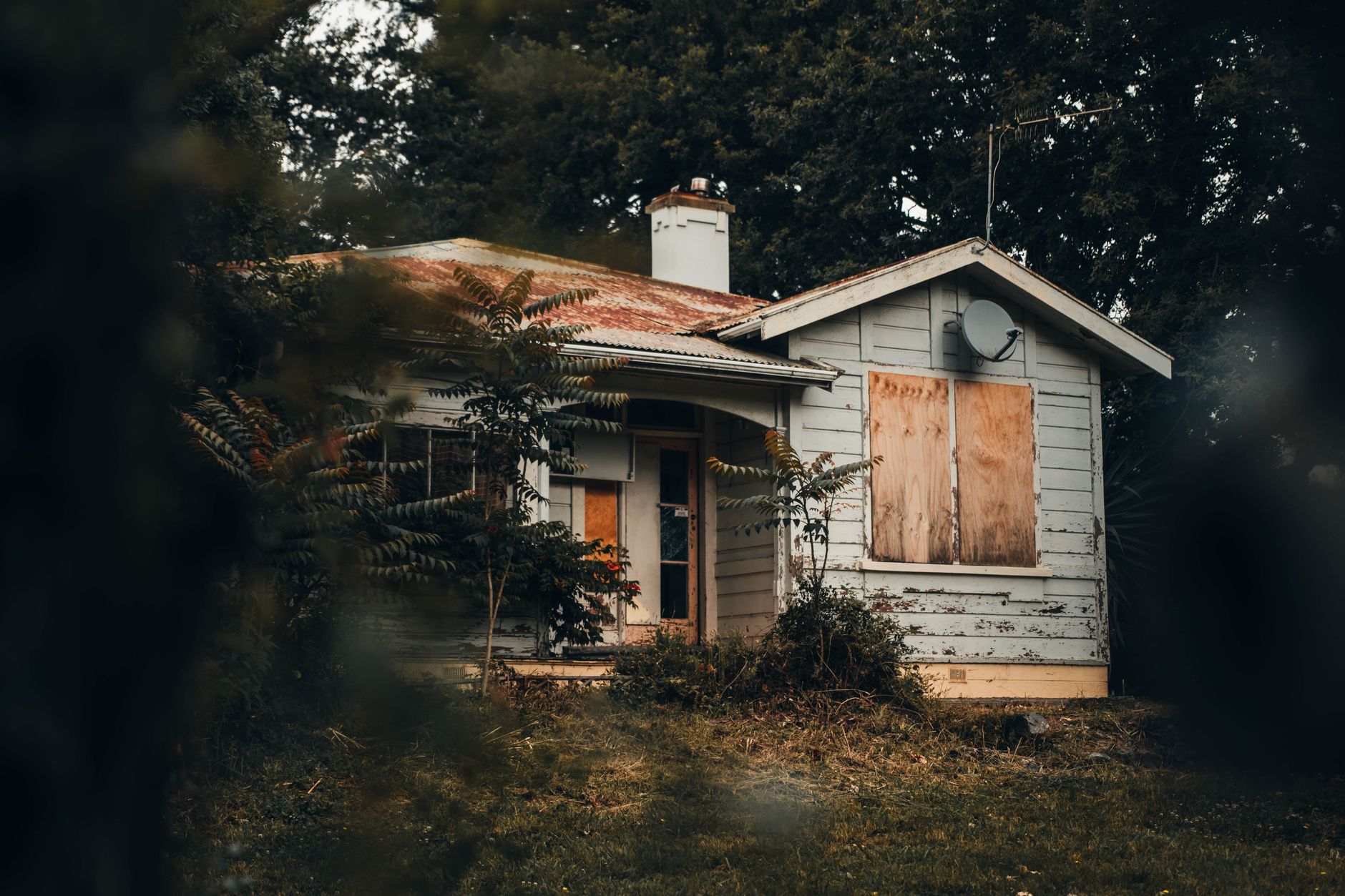
The BRRRR Method: How to Recycle Your Capital
BRRRR — Buy, Rehab, Rent, Refinance, Repeat — is the closest thing in real estate to a money-recycling machine. Done right, you buy a distressed property, force appreciation through renovation, refinance to pull most of your capital back out, and roll that same money into the next deal. Done wrong, you leave $40,000 trapped in a property and stall out after one purchase.
I've coached investors through both outcomes. The difference is almost never luck. It's the numbers you run before you buy. Let me walk you through how the strategy actually works, then the pitfalls that quietly kill returns.
How BRRRR Actually Works, Step by Step
1. Buy — below market, on purpose
BRRRR lives or dies on your purchase price. You are not buying retail. You're buying a property that needs work, at a discount, usually with short-term money: cash, a hard money loan, a private lender, or a HELOC.
The governing number is the 70% rule as a starting point:
Max All-In Cost ≈ (ARV × 0.70) − Repairs
ARV is the After Repair Value — what the property is worth once it's fixed and rented. If a home will appraise at $200,000 after rehab and needs $35,000 of work:
- $200,000 × 0.70 = $140,000
- $140,000 − $35,000 = $105,000 max purchase price
That 70% isn't magic — it's the buffer that leaves room for your refinance to work later. In competitive markets you may push to 75%; in soft or declining markets, drop to 65%.
2. Rehab — force the value, don't gold-plate it
Your rehab has one job: raise the appraised value and make the unit rent-ready. Nothing more.
Best practices I hammer on:
- Renovate to the neighborhood, not to your taste. Granite in a working-class rental is wasted money. Match the finish level of comparable rentals.
- Get contractor bids before closing, not after. A verbal "about 30 grand" becomes $52,000 once walls open up.
- Build in a contingency of 10–15% of the rehab budget. You will find something behind the drywall.
- Track a hard timeline. Every month of rehab is a month of holding costs — interest, taxes, insurance, utilities — with zero rent coming in.
3. Rent — stabilize before you refinance
Most lenders want the property leased with a paying tenant before they'll do a cash-out refinance at investor terms. A stabilized, occupied rental also appraises more cleanly.
Screen properly — credit, income (target rent at roughly 3x monthly), prior landlord references. A bad tenant placed to hit a refi deadline will cost you far more than the two extra weeks of vacancy.
4. Refinance — the step that recycles your money
This is the heart of BRRRR. You replace your short-term, high-cost money with a long-term rental loan and pull your capital back out.
Most lenders do a cash-out refi at 70–75% loan-to-value based on the new appraised ARV. Back to our example:
- ARV: $200,000
- Refi at 75% LTV: $150,000 loan
- All-in cost (purchase + rehab + holding): say $145,000
- You pull back your $145,000 and the property is now financed with a tenant paying the mortgage.
That recovered capital is your seed money for the next deal. When the numbers work, you can do it with the same chunk of money over and over.
5. Repeat
Rinse and repeat with the capital you recovered — this is how investors build a portfolio without needing fresh cash for every purchase.
The Numbers That Make or Break the Deal
Before you buy, you must underwrite the whole cycle — not just the purchase. Nail down:
- ARV, backed by 3–5 genuine comparable sales, not optimism
- Repair budget with a contingency
- Holding costs for your realistic rehab timeline
- Refi assumptions: LTV, interest rate, and the resulting payment
- Post-refi cash flow: rent minus the new mortgage, taxes, insurance, management, vacancy, and maintenance reserves
That last line matters. A "perfect" BRRRR that pulls all your money out but cash-flows $12 a month is a fragile deal. I want to see meaningful positive cash flow after the refinance, or the whole thing is a liability dressed up as an asset. Running these full-cycle numbers on real market data — rents, comps, refi terms — before you commit is exactly where a proper deal-analysis tool earns its keep.
The Honest Pros and Cons
Pros:
- Recycles capital — potentially infinite return on a fully recovered investment
- Forces equity through renovation instead of waiting years for appreciation
- Builds a cash-flowing portfolio faster than saving a down payment per deal
- You control the value creation
Cons and real risks:
- The appraisal gap. Your $200,000 ARV means nothing if the appraiser says $175,000. At 75% LTV, that's a $18,750 smaller loan — and money stuck in the deal. Comp conservatively.
- Rate and lending shifts. Higher rates or tighter LTV limits shrink your cash-out and your cash flow. Underwrite at today's rates, not last year's.
- Rehab overruns. The single most common killer. Over-budget and over-timeline turns profit into loss.
- Seasoning requirements. Some lenders make you own the property 6–12 months before a cash-out refi. Know your lender's rules before you buy.
- Leaving money in. Even a good BRRRR often leaves 10–20% of your capital stuck. Plan for it; don't be surprised by it.
Mistakes I See Most Often
- Buying at too high a price because they "love the house"
- Trusting a contractor's casual estimate instead of a written scope
- Skipping the post-refi cash-flow check
- Assuming the best-case ARV and rate
- No cash reserve for the gap between rehab-out and refi-in
The Bottom Line
BRRRR is powerful precisely because it's unforgiving. Every step compounds into the refinance, and the refinance is what frees your money for the next deal. Underwrite the entire cycle on real numbers, buy right, control the rehab, and treat conservative comps and reserves as non-negotiable. Do that, and one down payment can fund a portfolio.
Related articles
How to Analyze a Duplex for House Hacking (Step by Step)
Analyzing a duplex for house hacking means underwriting it as a rental first, then subtracting the rent you collect from your own housing cost. Here's the full process.
5 min readBest BRRRR Markets 2026: How to Find Them Yourself
The best BRRRR markets 2026 aren't a fixed list of cities — they're markets with soft purchase prices, strong rent-to-price ratios, and lenders that appraise to real value. Here's how to screen for them.
5 min readHow to Build a Rental Property Pro Forma (Line by Line)
Learn how to build a rental property pro forma line by line — from gross rent to projected returns — with real numbers, rules of thumb, and the mistakes that sink deals.
5 min readAnalyze your next deal in seconds
PropertyWiz AI pulls live data and runs Buy & Hold, BRRRR, and Fix & Flip numbers for you.
Get started free →